Careers, Control, and the Illusion of a Straight Path
by Marcus Birkenkrahe
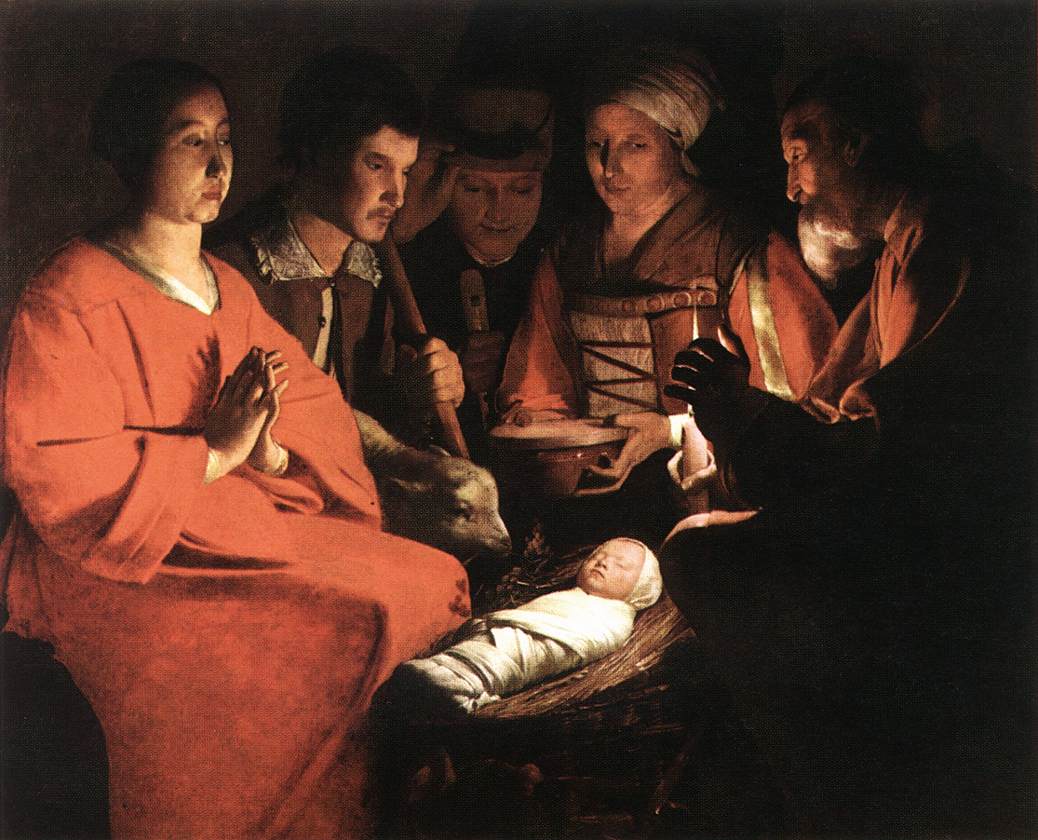
One of the hardest lessons I’ve learned—and one I now try to pass on—is that most of what shapes a career is not under your direct control.
This is not pessimism. It’s realism. And once understood, it can be unexpectedly freeing.
We are taught to believe that careers unfold through careful planning: make the right choices, collect the right credentials, follow the right path. Real life rarely cooperates. Careers unfold inside complex systems — organizations, cultures, and markets — that we enter as outsiders. At first, our intuition is weak. That is not a personal failure. It is simply how learning works.
A Risk That Looked Like a Mistake
At one point, I left a stable and well-defined role to accept a one-year academic appointment halfway around the world. On paper, it made little sense. It felt risky, even wrong.
Only much later did it become clear that this decision quietly laid the foundation for an entirely new chapter of my life. What appeared to be a detour turned out to be a beginning. Career decisions often reveal their meaning only in retrospect.
Feeling Out of Place Is Not a Signal to Stop
There was a period when I felt out of place in almost every possible way: culturally, professionally, and personally. I had moved from a scientific environment into a consulting one, across countries, and from solitary work into leading large, distributed teams.
At the time, this misalignment felt like a flaw. In hindsight, it was formative. Learning to function while feeling out of place forced growth that comfort never would have produced.
Feeling out of place does not necessarily mean you are in the wrong place. Sometimes it simply means you are early.
Working Ahead of Recognition
Early in my career, I spent serious time working on ideas and tools that very few people cared about yet. There was no immediate payoff and no guarantee that the effort would ever be rewarded.
That work accumulated quietly. When the world eventually caught up, it turned out not to have been wasted after all. Not everything that matters is immediately visible or valued.
When Competence Matters More Than Credentials
Later, I shifted directions again — not because my formal credentials pointed neatly that way, but because my interests, experience, and foundations made the transition natural.
What mattered in practice was not how perfectly my past aligned on paper, but whether I could actually do the work, explain it, and help others grow. Over time, competence has a way of asserting itself, even when recognition lags behind.
A Belief I No Longer Hold
Earlier in life, I believed that networking was the key to everything — that the most meaningful opportunities were reserved for those who knew the right people.
I no longer think that is quite true. Preparation matters. Effort matters. But outcomes do not follow mechanically from strategy.
I have come to see vocation as something closer to a summons than a plan.
You prepare yourself as well as you can. You work honestly. You try to serve what is placed in front of you. And then you accept that some doors open only when they are opened for you.
I pray — not because prayer guarantees results, but because it reminds me that my life is not a project I control end to end.
The Short Truth
You have less control than you think — and more responsibility than you realize.
Do serious work. Ask better questions. Be patient with uncertainty. Learn to recognize when you are being called.
And when the call comes, be ready to answer.